

What Is the Most Expensive Birthstone? A Complete Buyer's Guide
by zhousamuel on Nov 16 2026
Quick answer: there is no single most expensive birthstone
If you want the shortest honest answer, it is this: fine natural ruby is often described as the most expensive traditional colored birthstone on a per-carat basis, but exceptional alexandrite, fancy-color diamond, emerald, and sapphire can also command extraordinary prices. The "winner" changes depending on what is being compared.
A large fancy-color diamond can compete for the highest total auction prices when extraordinary color, size, rarity, and demand converge. A fine, untreated ruby with vivid red color can command some of the highest prices per carat among colored gemstones. A natural alexandrite with a strong green-to-red color change can be more expensive than many rubies, especially when it is clean and large. A rare Kashmir sapphire or exceptional Colombian emerald can also enter the same collector tier.
That is why a responsible answer cannot simply publish a fixed ranking such as "diamond first, ruby second, emerald third." Colored gemstones do not have one universal price list. Value depends on the individual stone's color, saturation, tone, clarity, cut, carat weight, treatment, origin, documentation, market demand, and sometimes history or design. Color as the most important factor for many colored gems, while also emphasizing the roles of cut, origin, size, and treatment.
What counts as a birthstone?
Birthstones are a modern jewelry tradition rather than a single geological or legal classification. Lists differ by country, retailer, historical period, and whether a source includes primary, alternative, or mystical stones. GIA presents monthly birthstones as a popular introduction to gems and lists more than one stone for some months.
The modern monthly list most relevant to this discussion includes:
• April: diamond
• May: emerald
• June: pearl, moonstone, and alexandrite
• July: ruby
• September: sapphire
• October: opal and tourmaline
• December: turquoise, tanzanite, and zircon
Other months include garnet, amethyst, aquamarine, peridot, and citrine. Every one of these can be inexpensive in commercial quality and expensive in exceptional quality. "Birthstone" tells you the month or tradition; it does not tell you the market value of a particular stone.
This is especially important for diamond. April's birthstone is commonly associated with colorless diamond, but fancy-color diamonds—such as vivid pink, blue, green, or red—belong to a very different value category. Likewise, June's alexandrite is not priced like every other chrysoberyl, and July's ruby is not priced like every red corundum on the market.
The leading candidates for the most expensive birthstone
|
Birthstone |
Month |
Why exceptional examples can be expensive |
The feature that most changes value |
|
Ruby |
July |
Fine vivid red color is rare, especially in large, untreated stones |
Color, treatment, size, origin, clarity |
|
Alexandrite |
June |
Natural material is scarce; strong color change and clean clarity are unusual |
Strength and quality of color change |
|
Fancy-color diamond |
April |
Saturated pink, blue, green, or red diamonds are exceptionally rare |
Color hue, saturation, tone, and natural origin |
|
Emerald |
May |
Rich green, transparent, large, lightly treated stones are difficult to find |
Green color, transparency, treatment |
|
Sapphire |
September |
Fine blue, Kashmir, padparadscha, and unheated stones can be highly collectible |
Color, origin, treatment, size |
|
Tanzanite |
December |
Fine blue-violet material is geographically limited and visually distinctive |
Color, clarity, size, treatment, supply |
|
Opal |
October |
Exceptional play-of-color, body color, pattern, and size can create high value |
Play-of-color and pattern |
1. Ruby: the strongest traditional answer
Ruby is the red variety of corundum, the same mineral species that includes sapphire. Ruby can command the highest prices of any colored gemstone and that fine-quality ruby prices have repeatedly reached exceptional levels.


Why fine ruby is so valuable
The most important ruby factor is color. GIA describes the finest ruby as pure, vivid red to slightly purplish red, with saturation that is neither too dark nor too light. In the trade, the phrase "pigeon's blood" is often used for highly desirable red, but the term can be misunderstood or used too loosely. It should never replace a laboratory report or a careful visual assessment.
Large, fine rubies are rare because rough material with strong color, good transparency, and sufficient clarity is difficult to find. The price per carat can rise sharply as size increases. Fine ruby over one carat is already uncommon; an untreated stone with exceptional color and a respected origin can enter a much higher collector category.
Clarity is unusual in ruby because some inclusions are expected. Fine rubies are not automatically eye-clean, but obvious inclusions that reduce brightness or transparency lower value substantially. Surface-reaching fractures may also create durability concerns.
Treatment is central to ruby value
Most rubies in the market have been heated, and heat treatment can improve color and transparency. That does not make a ruby worthless, but it must be disclosed. Rubies with an independent laboratory report confirming no evidence of heat can command a premium because they are rare. Diffused and lead-glass-filled rubies belong to different value categories and require especially careful disclosure.
A buyer should ask in writing:
1 Is the ruby natural or laboratory-grown?
2 Is there evidence of heat treatment?
3 Is it diffused or lead-glass filled?
4 Is the stated origin supported by an independent report?
5 Does the stone have fractures that affect durability?
Is ruby always the most expensive birthstone?
No. Ruby is the strongest general answer for fine colored birthstones, but it is not an automatic winner. A mediocre or heavily treated ruby can be less expensive than a fine alexandrite, a vivid fancy-color diamond, or an exceptional sapphire. The phrase "ruby is the most expensive birthstone" is useful only when it means top-quality natural ruby can reach the highest per-carat levels among traditional colored gems.
2. Alexandrite: the rare June birthstone that can exceed expectations
Alexandrite is the color-changing variety of chrysoberyl, not a variety of emerald or ruby. GIA identifies it as a June birthstone, along with pearl and moonstone. Its defining feature is a change from green or bluish green in daylight to red or purplish red under incandescent light.
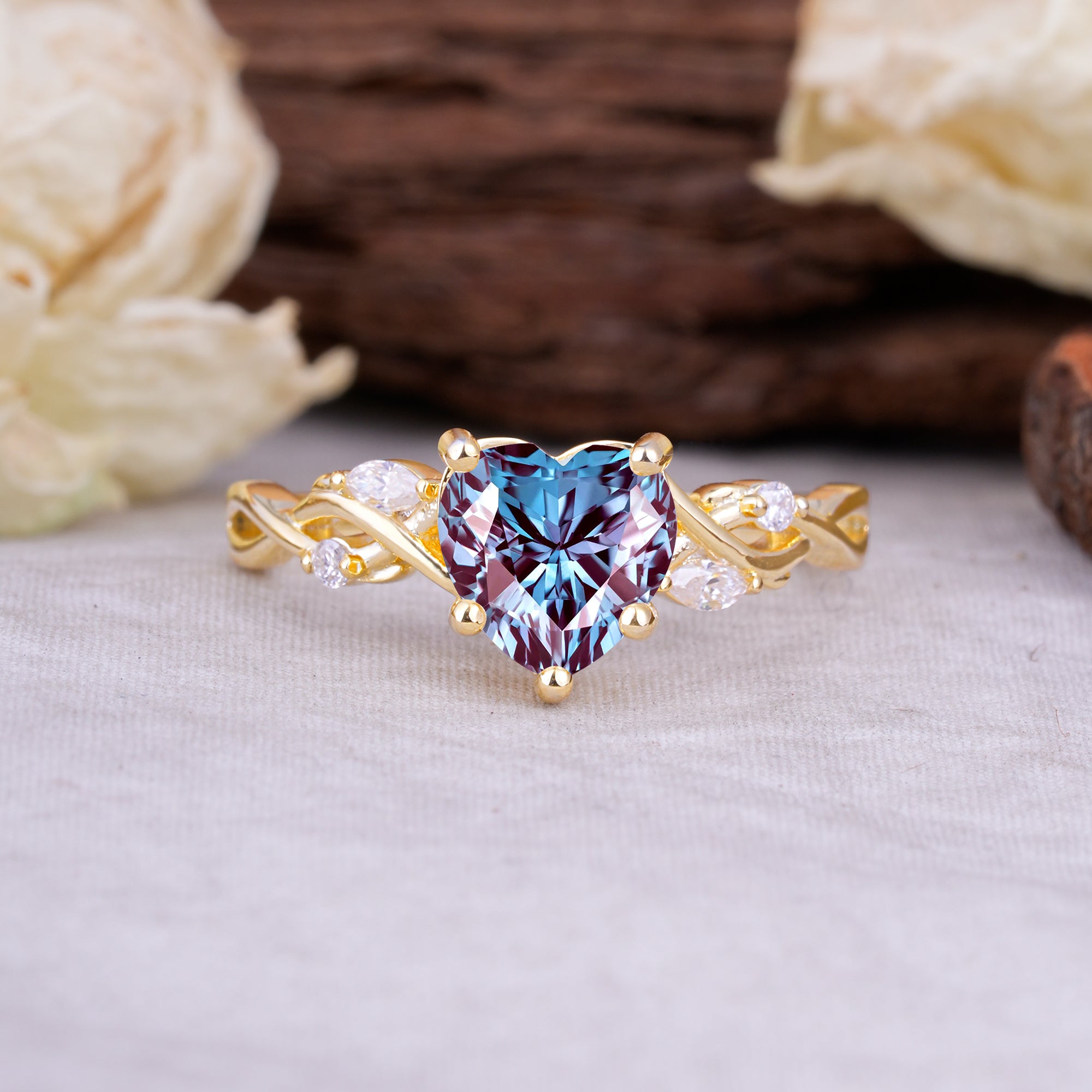

Why alexandrite can be exceptionally expensive
Fine alexandrite supply is low. Fine-color material is extremely rare, that current Russian production is very limited, and that Brazilian material can rival historically important Russian stones. Most fashioned alexandrites are under one carat; larger sizes and better qualities rise in price dramatically.
Color change is the central value factor. The most desirable stones show a strong and attractive change, not merely a weak shift from greenish to brownish or purplish tones. Strong saturation in both viewing conditions is important. A stone that changes dramatically but appears gray, brown, or too dark may be less valuable than a smaller stone with vivid green and red colors.
Clarity also matters. Fine alexandrite tends to have few inclusions, and clean material with strong color change can be especially valuable. Rare cat's-eye alexandrite, which shows both color change and chatoyancy, is an even more specialized category.
How to buy alexandrite responsibly
Buyers that an inexpensive stone showing a strong red-green change is likely to be laboratory-grown or a simulant rather than a natural alexandrite. For a significant purchase, obtain an independent identification report confirming whether the material is natural or laboratory-grown and identifying detectable treatments.
Natural alexandrite is durable enough for rings and daily wear, although fracture-filled material should receive gentler cleaning. Warm soapy water is the conservative method.
3. Fancy-color diamond: potentially the highest total-value birthstone
Diamond is April's birthstone and remains one of the most recognized gems in the world. But "diamond value" includes several different markets. A standard colorless diamond is evaluated through the familiar D-to-Z color scale, clarity, cut, and carat weight. Fancy-color diamonds are judged through a different logic in which visible, natural color can be the dominant value factor.
Which diamond colors are most valuable?
Among fancy-color diamonds, saturated pinks, blues, and greens are among the rarest and most valuable colors. Red diamonds are extremely rare and highly valued. Even subtle differences in hue, tone, and saturation can create large changes in price.

Natural blue diamonds owe their color to boron. Natural green diamonds may develop when radiation displaces carbon atoms in the crystal structure, but treated green color is also possible and requires careful laboratory examination. Fancy-color diamonds may have lower clarity and still be highly valued if the face-up color is exceptional, provided inclusions do not threaten durability.
Why diamond cannot simply be called the most expensive
Diamond has a huge market with a wide range of prices. Most April birthstone jewelry is not made with a rare vivid blue or red diamond. A commercial colorless diamond and a rare natural Fancy Vivid pink diamond are both "diamond," but they are not comparable products.
A fancy-color diamond can reach the highest total auction-price tier because diamonds can combine extreme rarity, large size, global demand, and strong auction history. However, that does not mean every diamond is more valuable per carat than every ruby or alexandrite.
Insisting on a diamond grading report because subtle differences in quality can have significant financial consequences. For fancy-color diamonds, the report should describe the color grade and whether the color is natural or treated. A buyer should never rely solely on a marketing name such as "canary," "chocolate," or "blue diamond."
4. Emerald: May's valuable but treatment-sensitive birthstone
Emerald is the green variety of beryl and May's traditional birthstone. Desirable emerald color ranges from bluish green to pure green, with vivid saturation, a tone that is not too dark, and good transparency.
Emeralds are often included. The trade accepts visible inclusions, commonly called jardin, as part of the stone's identity. However, transparency and clarity are closely linked. An emerald with inclusions that significantly reduce brightness or durability may be worth much less than a stone with a more attractive balance of color and transparency.

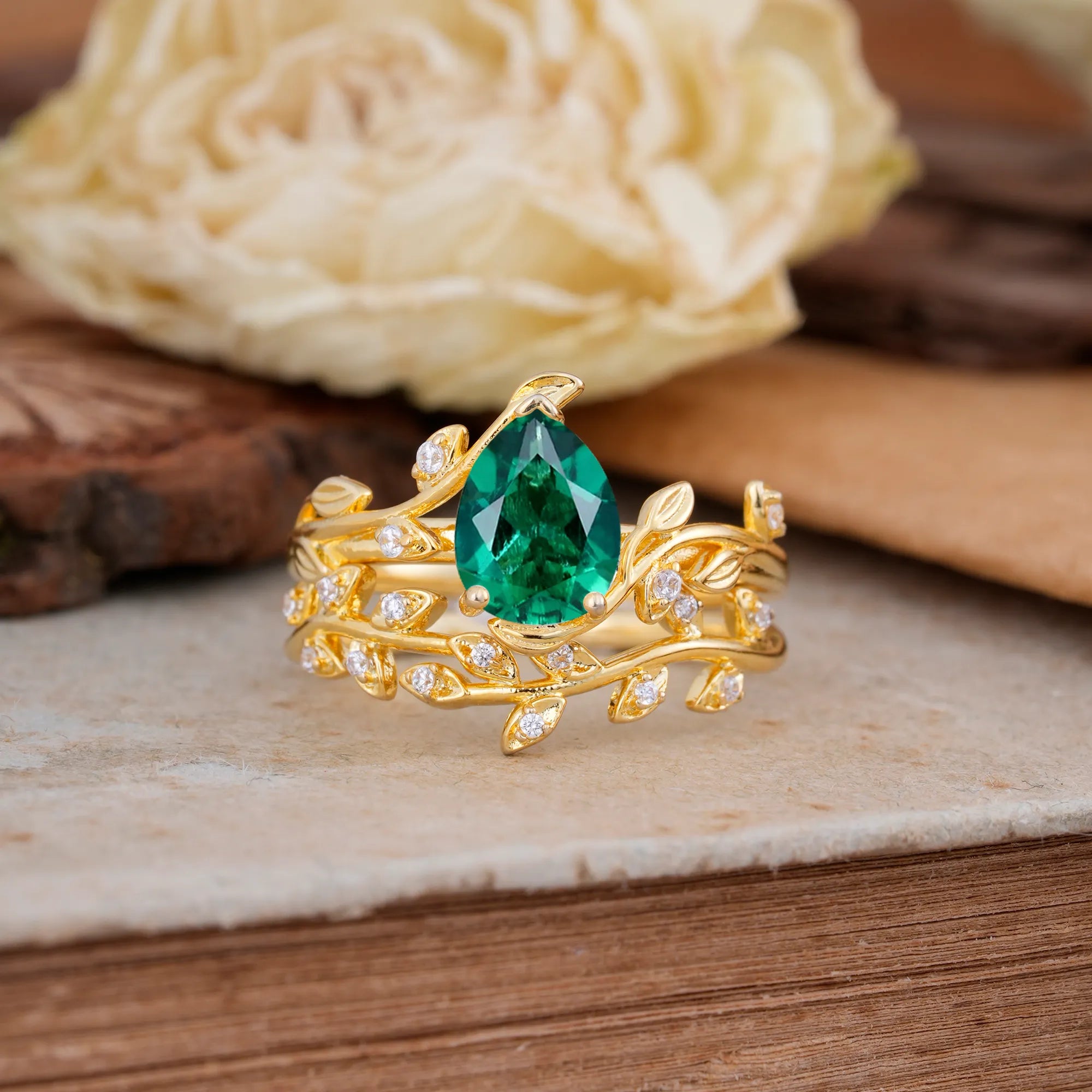
Why emerald can become expensive
Fine emerald value rises when strong green color combines with transparency, size, and limited clarity enhancement. Colombian and Zambian emeralds are often discussed in origin terms, but origin alone is not quality. Appearances can overlap between sources, and a mine name should never substitute for evaluating the actual stone.
Emerald is also more brittle than corundum and commonly contains fractures. Clarity enhancement is common, and GIA classifies the degree of emerald clarity enhancement as minor, moderate, or significant in the relevant laboratory service. Treatment level can materially affect value and care.
For a valuable emerald, ask for an independent report and find out whether the stone has been oiled, filled, or otherwise clarity enhanced. Avoid ultrasonic and steam cleaning unless a qualified professional has assessed the stone and treatment.
5. Sapphire: September's birthstone with several high-value categories
Sapphire is the non-red gem variety of corundum, while ruby is the red variety. September's birthstone is best known as blue sapphire, but sapphire also occurs in pink, yellow, orange, green, purple, violet, colorless, and other colors.


Fine blue sapphire is commonly valued for strong to vivid saturation and medium to medium-dark tone. Kashmir sapphires are historically celebrated for velvety blue color, and fine unheated examples with credible origin documentation can be highly collectible. Padparadscha sapphire, a rare pinkish-orange to orange-pink category, can also command a significant premium.
Treatment is critical. Heated sapphire is common and can be beautiful, while a fine unheated stone may be rarer and more valuable. Diffusion treatment and other enhancements must be disclosed. Geographic origin is not a guarantee of quality: a famous source can produce a range of material, and a lesser-known source can produce beautiful stones.
Sapphire's durability is a practical advantage for daily-wear jewelry. But the most expensive sapphire is not necessarily the most wearable purchase; an exceptional collector stone may be too valuable for carefree everyday use.
Comparing the top birthstones by value logic
|
Stone |
Birth month |
Value profile |
Treatment issue |
Best evidence before purchase |
|
Fine ruby |
July |
Often among the highest per-carat colored gemstones |
Heat is common; glass filling and diffusion reduce value |
Colored-stone identification and treatment report |
|
Fine alexandrite |
June |
Rarity and strong color change can create very high prices |
Usually not treated, but synthetic and simulant confusion is common |
Natural/laboratory-grown identification report |
|
Fancy-color diamond |
April |
Rare saturated colors can create the highest total auction prices |
Color may be natural or treated; clarity treatment is also possible |
Diamond grading/color-origin report |
|
Fine emerald |
May |
Strong green, transparency, size, and low enhancement matter |
Oil/resin/filler disclosure is essential |
Emerald report with enhancement information |
|
Fine sapphire |
September |
Blue, padparadscha, Kashmir, and unheated stones can be highly valuable |
Heat, diffusion, and other treatments affect price |
Identification and, where relevant, origin report |
|
Fine tanzanite |
December |
Large, vivid blue-violet stones can be valuable but have a narrower market |
Heat treatment is common and should be disclosed |
Identification report and treatment disclosure |
Why per-carat price and total price are different
A gemstone's total price is generally calculated from its price per carat multiplied by its weight, but the relationship is not linear. As a stone becomes larger, the price per carat may increase because large, high-quality rough is rarer.
This creates several common misunderstandings:
• A 0.80-carat exceptional alexandrite may cost more per carat than a 3-carat commercial stone.
• A 2-carat ruby is not simply twice the price of a 1-carat ruby if the larger stone is much rarer.
• A large emerald may be visually impressive but less valuable than a smaller stone with better transparency and color.
• A fancy-color diamond's hue and saturation can matter more than clarity.
• An auction price may include the importance of the jewelry design, provenance, signed maker, or competitive bidding—not only the loose gemstone.
GIA's colored-gemstone research emphasizes that hue, saturation, tone, color uniformity, origin, cut, size, and clarity all interact. It also notes that cut quality is more than shape: proportions, symmetry, polish, and facet placement determine how a gem handles light.
What makes a birthstone "investment grade"?
"Investment grade" is a marketing term, not a universal gemological grade. A seller should not use it as a substitute for a laboratory report, a written appraisal, or a transparent explanation of treatment and provenance.
Collectors generally look for some combination of:
• Natural origin confirmed by an independent laboratory
• Exceptional color for the species
• Strong saturation without becoming too dark
• Good transparency and attractive brilliance
• Significant size for that gemstone category
• Little or no treatment, when rarity makes that meaningful
• Secure documentation of origin where origin adds market significance
• A respected cutting style and absence of serious durability problems
• A credible purchase history and a realistic return policy
Even then, no gemstone is guaranteed to appreciate. Colored-gemstone markets are specialized, less standardized than the diamond market, and affected by fashion, economic conditions, collector taste, and the quality of the individual stone.
Certification and disclosure: what a buyer should request
Before buying an expensive birthstone, ask for a report from an independent gemological laboratory. Depending on the stone, the report may identify whether it is natural or laboratory-grown, describe the gemstone species and variety, list detectable treatments, and provide an opinion on geographic origin when possible and requested.
Do not confuse a laboratory report with an appraisal. A report describes gemological characteristics. An appraisal estimates monetary value for a particular market, date, purpose, and condition. GIA states that it evaluates colored gemstones but does not grade ruby or alexandrite in the same way it grades standard round brilliant diamonds.
A good seller should also disclose:
• Whether the stone is natural, laboratory-grown, or an imitation
• All known treatments in plain language
• Whether the setting prevents full inspection
• Whether the origin statement is a laboratory opinion or a seller claim
• The return period and conditions
• Whether the price is for the loose stone or the complete jewelry piece
Choosing the right expensive birthstone for a ring
The most valuable stone is not automatically the best ring stone. A collector may choose a rare alexandrite for its color change, while someone who wears a ring every day may prefer sapphire or ruby because corundum combines hardness and toughness suitable for regular wear.
Emerald can be used in an affordable engagement ring, but its fractures and treatment require more care. Alexandrite is durable and can be suitable for daily wear, though a very valuable stone may still warrant conservative use. Diamond is highly wear-resistant, but treatments and sudden temperature changes still deserve attention. A valuable stone should be protected by a well-designed setting, not left exposed simply to maximize visual size.
Care guidance for high-value birthstones
Always follow the treatment-specific instructions for the individual gemstone. As a conservative general rule, warm water, mild soap, and a soft brush are safer than household chemicals or aggressive mechanical cleaning.
• Ruby: Warm soapy water is generally safe. Fracture-filled, cavity-filled, or dyed ruby should be cleaned with a damp cloth only.
• Alexandrite: Warm soapy water is safe for ordinary material; fracture-filled stones require special care.
• Diamond: Warm water, mild soap, and a soft brush are generally suitable, but color and clarity treatments can be affected by heat and chemicals.
• Emerald: Avoid ultrasonic and steam cleaners unless a professional has assessed the stone. Treatment and fractures make emerald especially sensitive.
• Sapphire: Warm soapy water is commonly appropriate, but follow instructions for treated material.
Remove valuable gemstone rings before lifting, sports, gardening, household cleaning, or work that exposes them to sharp impact. Have prongs, bezels, and the stone checked periodically.
Final Thought
So, what is the most expensive birthstone? The most accurate answer is not a single gemstone name but a quality-based conclusion.
• Ruby is often the best answer for the highest per-carat potential among traditional colored birthstones.
• Alexandrite is one of the rarest and most valuable June birthstones when the color change is strong and the material is natural, clean, and large.
• Fancy-color diamond may achieve the highest total prices when rare color, size, and auction demand converge.
• Emerald and sapphire can reach the same collector conversation when color, size, treatment, origin, and transparency are exceptional.
The practical lesson is simple: never buy an expensive birthstone because a list says it is "number one." Compare the actual stone's color, treatment, documentation, durability, and price against comparable material. A beautiful, honestly disclosed ruby, alexandrite, diamond, emerald, or sapphire can be a meaningful birthstone—and the right one is the stone whose quality you can understand and whose care you can realistically provide.
FAQs
What is the most expensive birthstone overall?
There is no single answer for every market. Fine natural ruby is often the strongest traditional answer for the highest per-carat prices among colored birthstones. Exceptional alexandrite can compete because it is rare and may display a strong green-to-red color change. Rare fancy-color diamonds can achieve the highest total auction prices. The correct answer depends on whether you mean per-carat value, total price, ordinary retail quality, or exceptional collector quality.
Is alexandrite more expensive than ruby?
Sometimes. A natural alexandrite with strong color change, vivid colors, clean clarity, and large size can be more expensive than many rubies. But a fine untreated ruby with vivid red color can be worth far more than commercial alexandrite. Compare individual stones, not labels alone.
Is diamond always the most expensive birthstone?
No. Standard colorless diamonds are available across a broad range of prices. Rare natural fancy-color diamonds—especially vivid pink, blue, green, or red—can be extraordinarily valuable, but they are a specialized category and not representative of ordinary April birthstone jewelry.
Why are some rubies much more expensive than others?
Color is the leading factor. Vivid red to slightly purplish red, strong saturation, good transparency, larger size, limited treatment, and credible origin documentation can all increase value. Most rubies have been heated, so a confirmed unheated stone can command a premium when its color and clarity are also exceptional.
Is an untreated gemstone always better?
Not automatically. An untreated stone may be rarer, but value still depends on color, clarity, cut, size, durability, and market demand. A beautiful, properly disclosed heat-treated ruby may be a better purchase for a particular buyer than an unattractive untreated stone.
Does country of origin determine gemstone value?
No. Origin can add significance when a laboratory supports it and when the stone displays qualities associated with a famous source. But every source produces a range of quality. GIA specifically cautions buyers not to confuse origin with quality.
What report should I get for an expensive birthstone?
Request an independent colored-stone identification report, and add an origin opinion when origin is important to the price and the laboratory offers that service. For diamonds, request a recognized diamond grading report or fancy-color report appropriate to the stone. Verify the report number through the laboratory's online database.
Are expensive birthstones a good investment?
They can be collectible, but no gemstone purchase is guaranteed to appreciate. High-value stones require specialist knowledge, liquidity can be limited, and retail markups can be substantial. Buy first for beauty and personal meaning, and treat investment potential as uncertain rather than promised.
Share