

November Birthstone Color: Citrine and Topaz Guide
November is unusual because it has two recognized birthstones: citrine and topaz. Both can display warm yellow, orange, and golden colors, but they are not the same gemstone and they do not come from the same mineral family. Citrine is a yellow-to-orange variety of quartz, while topaz is a separate mineral with a broader color range, higher hardness, and a different cleavage pattern.
That distinction matters when you are choosing a November birthstone ring, necklace, pair of earrings, or personalized gift. A rich golden citrine may be the better choice for an affordable statement design. A natural pinkish-orange Imperial topaz may appeal to a collector who values rarity. Blue topaz offers a completely different look, but most blue topaz obtains its color through treatment rather than from naturally blue rough.
What color is the November birthstone?
There is no single November birthstone color. The month is represented by two gemstones with overlapping but distinct palettes:
• Citrine: pale yellow, saturated yellow, golden yellow, brownish orange, reddish orange, and orangy red
• Topaz: colorless, yellow, orange, pink, red, purple, brown, blue, and occasionally greenish hues
In everyday jewelry, citrine is most often associated with warm yellow or orange, while topaz is frequently seen in blue, yellow, white, pink, or Imperial orange-pink. GIA describes citrine as the yellow gem for November and highlights topaz in pink and orange, while also noting topaz’s rainbow of colors.

|
Gemstone |
Most recognizable November colors |
Mineral identity |
Typical visual impression |
|
Citrine |
Yellow, honey, golden, brownish orange, reddish orange |
Quartz |
Warm, transparent, sunny, often softly saturated |
|
Topaz |
Yellow, orange, pink, red, blue, colorless |
Topaz |
Bright, lustrous, often crisp and highly transparent |
|
Imperial topaz |
Pinkish orange, orange, reddish orange, orange-pink |
Topaz |
Rare, warm, saturated, collector-oriented |
|
Blue topaz |
Sky blue, Swiss blue, London blue |
Topaz, usually treated |
Cool, clean, bright, contemporary |
|
Ametrine |
Purple and yellow in one crystal |
Quartz variety showing amethyst and citrine zones |
Bi-color, dramatic, naturally distinctive |
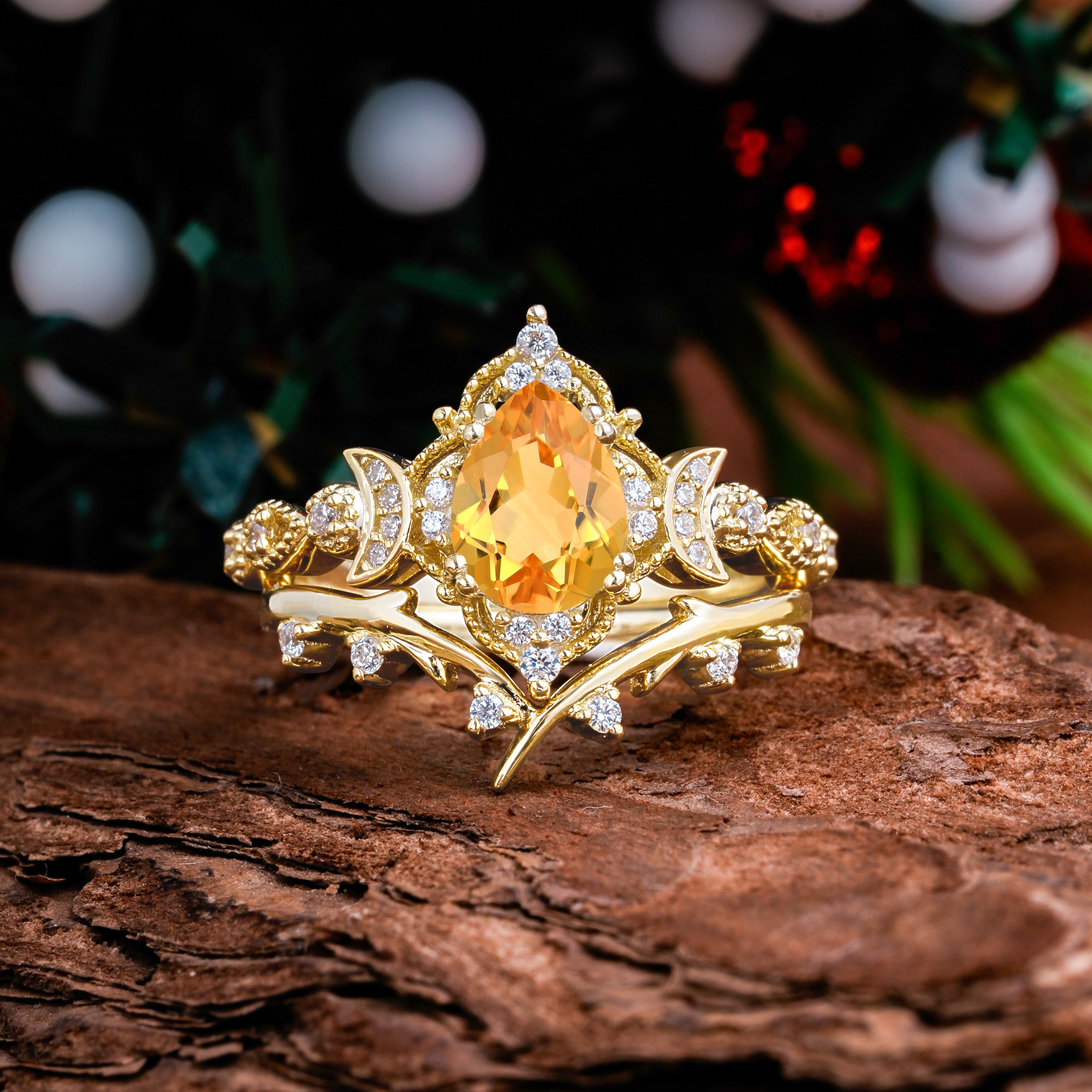
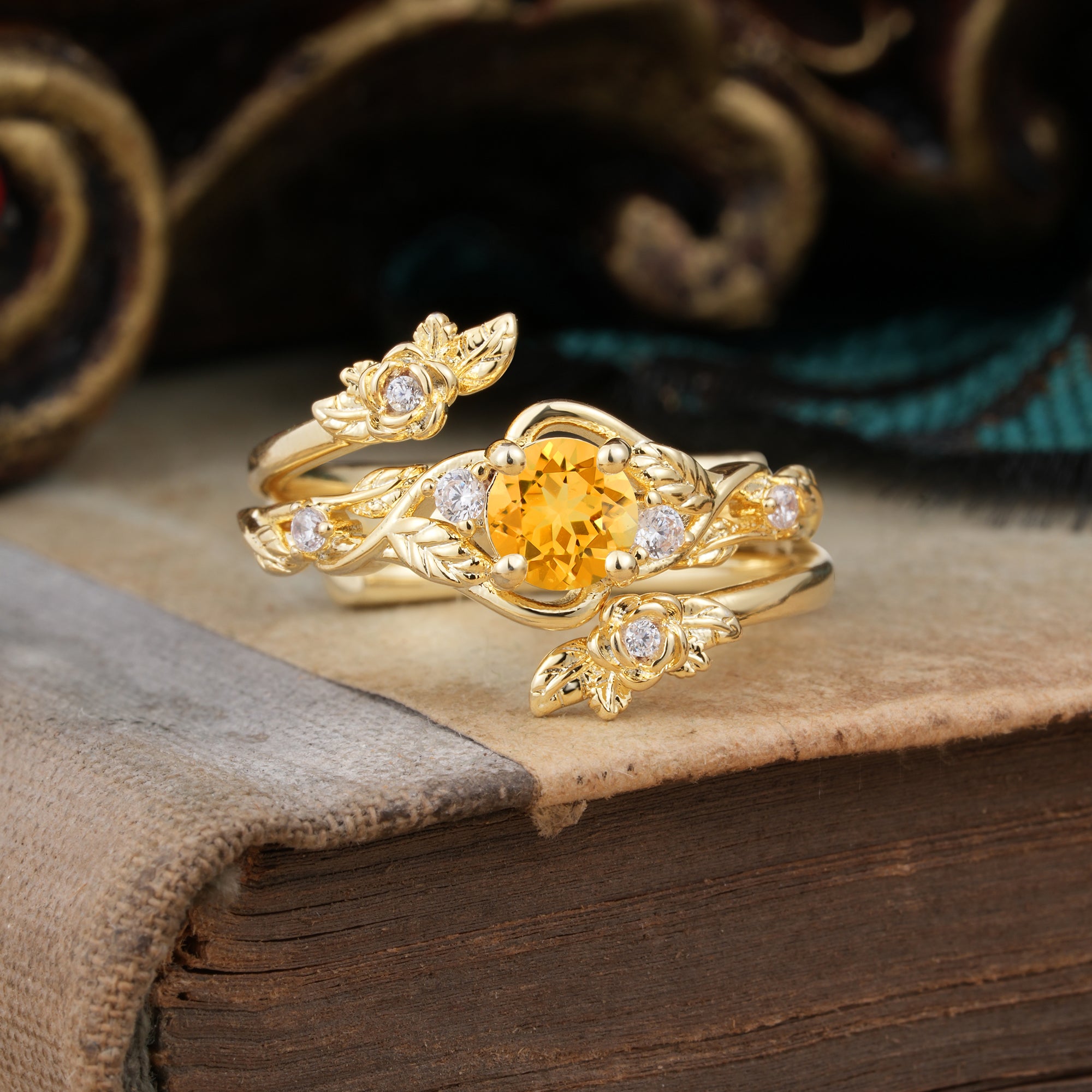
Citrine: the warm yellow November birthstone
Citrine is the transparent yellow to brownish-orange variety of quartz. Its color is associated with trace iron in the crystal structure, and natural citrine is relatively rare. Most citrine sold today results from heating amethyst to produce yellow, orange, or reddish-orange hues.
This treatment is not automatically a defect. Heat treatment is a widely accepted enhancement in the gemstone market, and treated citrine can be beautiful, durable, and reasonably priced. The important point is accurate disclosure. A seller should not present heated amethyst as naturally occurring citrine if the distinction affects the buyer’s decision or the price.
The most desirable citrine colors
Saturated yellow to reddish-orange citrine without strong brownish overtones is especially prized. Attractive stones may range from bright yellow through honey and golden orange to deep orangy red.

Color preference is personal, but the market tends to favor citrine that is:
• Evenly colored rather than strongly zoned
• Bright rather than gray or excessively brown
• Saturated without appearing too dark
• Transparent and lively when viewed face-up
• Free from distracting eye-visible inclusions
Natural citrine from Bolivia’s Anahí mine is especially notable. This locality is known for natural, unheated citrine and for crystals in which amethyst and citrine occur together. When both colors are present in a fashioned stone, the result is called ametrine.
Ametrine is still a quartz-based gemstone, not a mixture of topaz and citrine. Its appeal comes from the visible boundary between purple amethyst and yellow citrine, often arranged in a sharp geometric or angular color division.
Citrine quality factors
Citrine is comparatively accessible in large sizes. Unlike some rare colored gemstones, its price per carat does not necessarily increase dramatically when the stone becomes larger. This makes citrine a practical option for bold cocktail rings, oversized pendants, and coordinated jewelry sets.
Clarity also works differently from the way it does in emerald or ruby. Faceted citrine is often eye-clean, meaning that inclusions are not visible without magnification. Visible inclusions in a pale citrine can reduce its brightness and value, although heavily included material may still be used for cabochons, carvings, or artistic designs.
Cut determines how effectively citrine returns light. Oval, cushion, emerald, pear, round, and fantasy cuts are all common. A well-proportioned cut should create brightness without allowing the stone to look overly shallow, windowed, or dull.
Topaz: the November birthstone with a wider color range
Topaz is a separate mineral species with the chemical composition Al₂(F,OH)₂SiO₄. It is not a yellow form of quartz. GIA lists topaz colors ranging from colorless and blue to yellow, orange, pink, red, purple, and brown.
Topaz also has a higher Mohs hardness than citrine. Topaz rates 8, while citrine rates 7. However, hardness is only one part of durability. Topaz has distinct basal cleavage and relatively poor toughness, which means that a sharp impact or sudden temperature change can cause it to split or break.
This is a useful reminder that “harder” does not automatically mean “indestructible.” A topaz ring can be suitable for regular wear when it has a protective setting and is treated carefully, but a topaz pendant or earring is less exposed to direct impact.
Topaz color categories
Topaz is often divided into practical market categories based on color and treatment:
• Colorless topaz: plentiful and often used as the starting material for treatment
• Blue topaz: widely available in pale, medium, and deep blue shades; most commercial blue topaz is treated
• Yellow topaz: warm yellow to golden colors, sometimes confused with citrine
• Imperial topaz: usually pinkish orange, orange, reddish orange, or related warm saturated colors
• Pink topaz: rare and collectible when natural and strongly saturated
• Red topaz: exceptionally rare in facet-grade material
• Mystic topaz: colorless topaz coated with a thin artificial film that creates rainbow colors

Red is one of the most sought-after topaz colors and represents less than one-half of one percent of facet-grade material. The term “Imperial topaz” is widely used, but there is no single official standard that defines exactly which colors qualify.
For that reason, the actual face-up color is more important than the word “Imperial” on a product page. A buyer should ask whether the color is natural, treated, or simply described with a trade term.
Why blue topaz is so common
Natural blue topaz exists, but most blue topaz in modern jewelry is created by irradiating and heating colorless topaz. This treatment produces a permanent blue color in released material, subject to regulatory safety controls.
Treated blue topaz can be a sensible choice when a buyer wants a vivid blue November birthstone at an accessible price. The treatment should still be disclosed, especially when a seller is comparing it with rare natural blue topaz or implying that the color is untreated.
“London blue,” “Swiss blue,” and “sky blue” generally describe commercial color categories rather than separate mineral species. They may differ in tone, saturation, and treatment history. The name alone is not a laboratory identification.
Citrine vs. topaz: the most important differences
Because both gems can be yellow or orange, citrine and topaz have been confused for centuries. Historical trade names such as “topaz quartz” contributed to the misunderstanding. Modern gemology separates them through their physical and optical properties.

|
Feature |
Citrine |
Topaz |
|
Mineral family |
Quartz |
Topaz |
|
Chemical composition |
SiO₂ |
Al₂(F,OH)₂SiO₄ |
|
November color association |
Yellow to orange |
Pink and orange, plus many other colors |
|
Mohs hardness |
7 |
8 |
|
Refractive index |
1.544–1.553 |
1.619–1.627 |
|
Specific gravity |
About 2.66 |
About 3.53 |
|
Toughness consideration |
Good toughness, but can fracture from abrupt heat changes |
Poorer toughness because of cleavage |
|
Common market treatment |
Heat-treated amethyst is common |
Irradiation and heat for blue; coating for Mystic topaz |
|
Typical price behavior |
Large sizes remain relatively affordable |
Blue is widely available; rare pink, red, and Imperial colors are more valuable |
|
Best everyday design use |
Rings, pendants, earrings, bracelets with normal care |
Pendants and earrings are especially practical; rings need protective settings |
The difference in specific gravity also means that two stones of the same face-up size may not weigh the same. However, consumers should not try to identify a mounted gem by weight alone. A gemological laboratory uses a combination of testing methods, not one visual clue.
Which November birthstone is more valuable?
There is no universal answer because quality varies more than the species name. Commercial citrine is usually affordable, and large citrine can remain relatively inexpensive per carat. Fine natural citrine, especially with attractive saturated color and credible locality information, can be more collectible.
Topaz follows a more divided market. Blue topaz is common and affordable because treated material is widely available. Fine natural pink, red, and Imperial topaz are much rarer. Imperial topaz rises dramatically in price per carat as size increases, while blue topaz rises much less with size.
|
Buying goal |
Usually the stronger choice |
Why |
|
Affordable golden statement ring |
Citrine |
Large, attractive stones are widely available |
|
Natural warm collector color |
Well-documented natural Imperial topaz |
Rare pink-orange and reddish colors can be highly valued |
|
Bright blue November jewelry |
Blue topaz |
Vivid blue is widely available through disclosed treatment |
|
Easy-to-match yellow jewelry set |
Citrine |
Smaller stones can remain strongly colored and affordable |
|
Unusual two-color design |
Ametrine |
Purple amethyst and yellow citrine occur in one crystal |
|
Lowest-maintenance exposed ring |
Neither without a protective setting |
Citrine is softer; topaz has cleavage and poor toughness |
|
Pendants or earrings |
Either |
These designs reduce exposure to hard impact |
November birthstone meaning and symbolism
Birthstone symbolism is cultural and personal rather than a scientifically demonstrated effect. GIA records historical associations between topaz and strength, protection, calm, and good fortune, while also noting that citrine was historically associated with soothing tempers and calming the wearer.
These meanings can make a November birthstone gift feel thoughtful, but they should not be presented as medical or psychological claims. Citrine and topaz do not replace professional care for physical or mental health conditions. Their established value is as beautiful natural materials with historical symbolism and personal meaning.
For a birthday gift, citrine often communicates warmth, optimism, and sunlight through its color. Topaz offers more variety: blue can feel calm and modern, pink can feel romantic, and Imperial topaz can express rarity and individuality.
Choosing between citrine and topaz for a ring
The first decision is color. Choose citrine if you want a consistent yellow-to-orange identity and an approachable price. Choose topaz if you want access to blue, pink, or rare orange-pink colors.
The second decision is setting. Citrine has good toughness and can be used in engagement rings, but its hardness of 7 means it can eventually show scratches from dust and everyday abrasion. Topaz is harder, but its cleavage makes it vulnerable to a direct blow. A bezel or protective halo can reduce exposure around the edges and corners.
The third decision is lifestyle. Someone who removes jewelry during exercise, housework, gardening, and manual work can wear either gem successfully. Someone who never removes a ring may benefit from a lower-profile design that protects the center stone and avoids exposed corners.
The fourth decision is treatment disclosure. Ask the seller:
1 Is the gemstone natural, laboratory-grown, or an imitation?
2 If it is citrine, is it natural or heat-treated amethyst?
3 If it is blue topaz, has it been irradiated and heated?
4 Is the topaz coated, as in Mystic topaz?
5 Are the color and origin claims supported by a laboratory report?
6 Does the setting allow the gemstone to be inspected and cleaned safely?
How to care for citrine and topaz
Citrine care
Citrine ranks 7 on the Mohs scale and has good toughness, so it is suitable for many types of jewelry with normal care. Warm water, mild soap, and a soft brush are safe cleaning tools. GIA says ultrasonic cleaning is usually safe unless the stone is dyed or fracture-filled, but steam cleaning is not recommended.
Abrupt temperature changes can fracture citrine. Prolonged intense light may fade some citrine colors, and strong chemicals such as hydrofluoric acid, ammonium fluoride, and alkaline solutions can damage it.
Store citrine away from harder gems such as topaz, sapphire, and diamond. A fabric-lined compartment or individual soft pouch can prevent scratches.
Topaz care
Topaz ranks 8 on the Mohs scale but has poor toughness because of its cleavage. Avoid ultrasonic and steam cleaning. Warm, soapy water is the safest general method.
Do not expose topaz to sudden temperature changes or high heat. A hard impact can split the gem, particularly if the blow reaches a cleavage direction or an exposed corner. Valuable topaz is often best placed in a protective mounting or in jewelry such as a pendant or earrings.
Mystic topaz requires additional care. Its surface coating can be removed by abrasive cleaners, polishing wheels, or aggressive refinishing. Clean it only with mild soap and water, and tell a jeweler about the coating before any repair or resizing work.
Do November birthstones require a laboratory report?
Most commercial citrine and blue topaz purchases may not justify the cost of a laboratory report. However, a report becomes more useful when the stone is expensive, unusually colored, claimed to be natural or untreated, described as Imperial topaz, or represented as a rare locality material.
For an ordinary citrine ring, a trustworthy seller’s written treatment disclosure and return policy may be sufficient. For a high-value natural topaz, independent laboratory documentation is a more prudent step.
Final thought
The November birthstone color is not limited to one shade. Citrine brings yellow, honey, golden, and orange warmth; topaz expands the palette into blue, pink, red, purple, colorless, and Imperial orange-pink. Their similar appearance in some colors explains their history of confusion, but their mineral identities and care requirements are different.
Choose citrine for an affordable, sunny gemstone with good toughness and generous size options. Choose topaz for broader color choice, higher hardness, and the possibility of rare pink, red, or Imperial colors—but remember that cleavage makes it vulnerable to sharp impacts.
The best November birthstone is ultimately the one whose color, treatment, setting, care requirements, and price match the wearer’s real life. A well-disclosed heated citrine or treated blue topaz can be an excellent piece of jewelry, while natural citrine and fine Imperial topaz offer additional interest for collectors. Understanding the difference lets you buy with confidence rather than relying on a gemstone name alone.
FAQs
What colors are associated with November birthstones?
November has two recognized birthstones, so there is no single official color for the month. Citrine is associated with yellow and orange hues, while topaz ranges from colorless and blue to yellow, orange, pink, red, purple, and brown. In commercial November jewelry, warm golden citrine and blue topaz are especially common.
Are citrine and topaz the same gemstone?
No. Citrine is a variety of quartz with the chemical composition SiO₂. Topaz is a separate mineral with the chemical composition Al₂(F,OH)₂SiO₄. They can look similar in yellow or orange colors, but they have different hardness, refractive index, specific gravity, and durability characteristics.
Is most citrine naturally yellow?
Most citrine on the market is made by heating amethyst. Natural citrine exists and can be valuable, but it is less common than treated material. Sellers should disclose whether the color is natural or the result of heat treatment.
Is blue topaz natural?
Natural blue topaz exists, but most blue topaz sold in jewelry is colorless topaz treated by irradiation and heating. The treatment is generally permanent in released material and should be disclosed accurately.
Which is harder, citrine or topaz?
Topaz is harder, rating 8 on the Mohs scale, while citrine rates 7. However, topaz has poor toughness because of cleavage. Citrine has good toughness but can still scratch and fracture if exposed to abrasion or sudden temperature changes.
Is Imperial topaz more valuable than citrine?
Fine Imperial topaz can be more valuable than ordinary citrine because saturated pinkish-orange and reddish colors are rare. But value depends on the actual stone. A beautiful natural citrine may be preferable to a pale or unattractive topaz, and a trade label alone does not prove rarity.
Can citrine be worn every day?
Citrine can be worn regularly in a protective ring setting, pendant, earrings, or bracelet. Because it has a Mohs hardness of 7, remove it for activities that expose it to hard impact, sand, or abrasive dust. Avoid steam and sudden temperature changes.
Can topaz be worn in an engagement ring?
Yes, but the design should account for topaz’s cleavage and poor toughness. A protective bezel or substantial prong arrangement is preferable to a setting that leaves corners and edges exposed. Remove the ring during impact-heavy activities and clean it with warm, soapy water rather than steam or ultrasound.
Is citrine a good November birthday gift?
Yes. Citrine offers warm color, large sizes, broad design flexibility, and generally accessible pricing. It is especially suitable when the recipient prefers yellow or orange jewelry and appreciates a visible gemstone rather than a small accent stone.
Is topaz a good November birthday gift?
Yes. Topaz is a strong choice when the recipient wants more color variety, including blue, pink, orange, or colorless designs. The buyer should confirm treatment and select a setting appropriate for the stone’s cleavage.
References
Share