

Jewelry Gifts for Long-Distance Couples: Meaningful Designs
by zhousamuel on Nov 22 2026
Distance changes the way a couple experiences ordinary moments. A morning message may arrive while the other person is ending the day. A familiar hand is represented by a screen, a voice note, a photograph, or a package that takes a little longer to cross the space between two homes. A piece of jewelry cannot replace time together, but it can give a shared memory a physical form.
That is why the best jewelry gifts for long-distance couples are rarely chosen by appearance alone. The design should express something specific about the relationship, fit naturally into the recipient's wardrobe, and arrive with as little avoidable stress as possible. Ring size, local sizing systems, personalization deadlines, delivery addresses, duties, and return policies matter just as much as the gemstone or engraving.
A long-distance jewelry gift can be a ring, necklace, bracelet, earrings, pendant, charm, or matching pair. It may mark a visit, a first anniversary, a future plan, a meaningful location, or simply the fact that two people continue to choose one another across time zones. It does not have to announce a particular relationship stage. A gift is more considerate when its meaning is clear to the couple and comfortable for the person wearing it.
Start with meaning that belongs to both of you
The phrase "long-distance jewelry" can suggest matching symbols, coordinates, maps, initials, or connected pieces. Those ideas can be beautiful, but they are starting points rather than requirements. The strongest design usually comes from one precise detail in the relationship.
A place-based gift might reference the city where you met, a first shared trip, a hometown, or the location where one of you is beginning a new chapter. A time-based gift might use a visit date, the date you decided to become a couple, or the day you will next be together. A language-based gift can preserve a private word, a phrase from an early conversation, or a line that means more to the two of you than it would to anyone else.
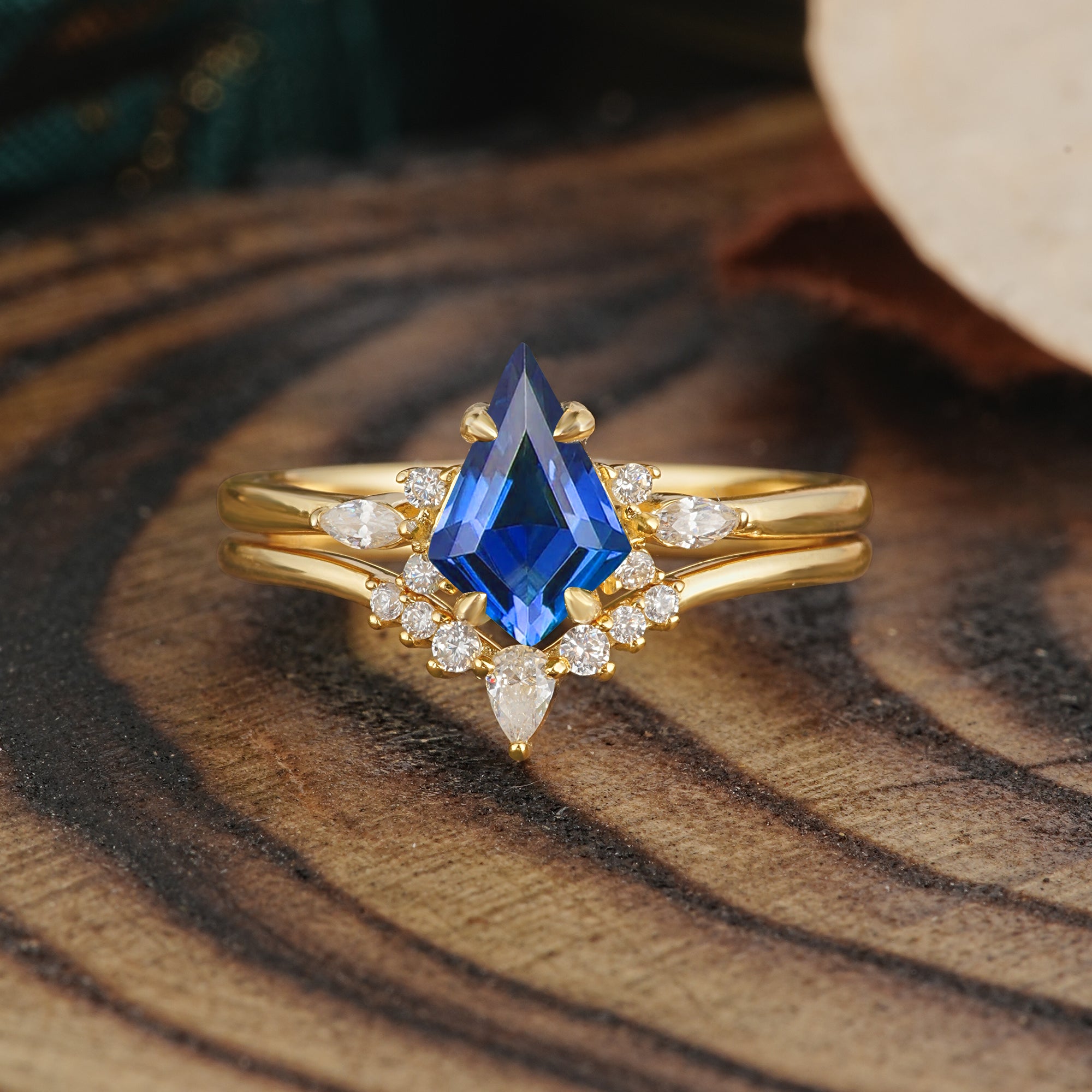
A paired design can use two complementary pieces rather than two identical ones. One person might wear a pendant while the other wears a ring. The pieces could share a tiny motif, metal finish, or gemstone color without requiring either person to adopt a style that does not feel like them. This is often more wearable than a visibly matching set.
A future-facing design can acknowledge a plan without making a promise that has not been discussed. If a couple is saving for a visit, moving toward the same city, or building a shared routine, the jewelry can mark that intention gently. It should not turn a private hope into public pressure.
Before ordering, ask one simple question: What should this piece remind the wearer of when the other person is far away? The answer may guide the entire design more effectively than a long list of trends.
Which jewelry format works best from a distance?
The format should follow the recipient's real habits. If they wear a necklace every day but rarely wear rings, a pendant is not a less meaningful gift. If they prefer understated jewelry, an elaborate matching set may create emotional pressure instead of comfort. If you do not know their size, a no-size format can preserve the surprise while lowering the chance of an exchange.

|
Jewelry format |
Practical sizing risk |
Meaningful personalization options |
Best fit for |
Main check before ordering |
|
Pendant or necklace |
Usually low; chain length and preferred drop still matter. |
Engraved back, initial, date, coordinates, symbolic charm, or meaningful gemstone. |
Someone who wears necklaces regularly or whose ring size is unknown. |
Confirm chain length, clasp type, pendant dimensions, metal, and whether engraving is visible or hidden. |
|
Earrings |
Low; the main fit issue is usually style, weight, and closure rather than circumference. |
Matching pair, birthstone color, small motif, or a design connected to a place or memory. |
Someone who prefers subtle pieces or changes jewelry often. |
Check post or hook style, metal information, backing, weight, and sensitivity preferences. |
|
Bracelet |
Medium; wrist circumference and preferred looseness matter. |
Engraved plate, linked charms, initials, coordinates, or a shared color story. |
Someone who already wears watches or bracelets. |
Confirm wrist measurement method, closure security, adjustable range, and sizing/return terms. |
|
Ring |
High when the exact finger and size are unknown. |
Inner engraving, birthstone, signet detail, stackable band, or paired motif. |
Someone who wears rings and is comfortable with the intended meaning. |
Confirm the exact finger, sizing system, band width, profile, engraving policy, and resizing or exchange options. |
|
Adjustable ring |
Lower than a fixed-size ring only when the design is made for adjustment and the recipient likes the fit. |
Open-band detail, small gemstone, symbolic texture, or discreet engraving where supported. |
Someone who likes flexible styling and a less formal fit. |
Confirm the permitted adjustment range and whether repeated bending is discouraged for that design. |
|
Charm or key-sized wearable token |
Low; it may be attached to a chain, bracelet, bag, or key ring. |
Initial, symbol, date, map-inspired outline, or small engraved message. |
Someone whose jewelry style is uncertain or highly changeable. |
Confirm dimensions, attachment loop, finish, and whether it is intended for jewelry or accessory use. |
There is no hierarchy in this table. A ring is not automatically more serious, and a necklace is not automatically less personal. The most appropriate format is the one the recipient can use without changing their identity, routine, or comfort to accommodate the gift.
Rings across distance: meaning without guesswork
Rings often carry strong associations, which makes clarity especially important. A promise ring, commitment ring, anniversary band, friendship ring, or simple personal band may mean something different to different people. Before choosing a ring, consider whether the recipient will understand the intended meaning and whether the meaning has been discussed openly enough.
The conversation does not have to ruin the surprise. You can ask about general preferences: "Do you like wearing rings?" "Which finger do you usually wear them on?" "Do you prefer a close fit or a little movement?" "Would you enjoy an engraved band?" These questions can be part of a broader conversation about jewelry rather than a hint about a particular package.
If the meaning needs to stay private, an inner engraving can carry the message while the exterior remains simple. If the ring is intended to be worn beside an engagement or wedding ring, compatibility becomes a design question. The height, width, profile, metal color, stone placement, and edge shape all affect how two rings sit together. A generic "stackable" label does not guarantee a flush or comfortable fit beside a particular ring.
For long-distance couples, a ring can also be chosen together during a video call. This approach trades some surprise for certainty. It can be especially thoughtful when both people have strong preferences about width, finish, gemstone color, or finger placement.
Practical ring sizing when you cannot measure in person
Remote sizing is a process, not a guess. A useful starting point is a ring that the recipient already wears on the same finger. Blue Nile's educational sizing guidance recommends matching the inside diameter of a well-fitting ring to a correctly scaled printable guide, using a physical ring sizer, or measuring the finger with a string, paper, ruler, and size chart. The same guide notes that finger size can vary with temperature, time of day, and hand, and that wider bands may feel tighter.
The safest method depends on how much uncertainty you can remove. If the gift is a surprise, ask a trusted friend or family member to help only if that person can do so respectfully and accurately. Borrowing a ring is useful only when you know which finger it fits. A ring worn on the index finger cannot automatically tell you the size needed for the ring finger.
A remote ring-sizing protocol
Confirm the finger first. The intended finger matters more than the recipient's general ring size. If the recipient already wears a ring on that finger, identify it discreetly. If the jewelry has a symbolic meaning, also confirm whether the wearer is comfortable with that finger placement.
Confirm the sizing system. U.S., U.K., European, and other systems use different conventions. Ask the seller which system the product page uses and record the measurement in millimeters whenever possible. Avoid converting from an unlabeled number.
Use the same-finger ring as evidence. A ring that fits the intended finger is more useful than an average-size chart. If you can borrow it, measure its inside diameter with an appropriate tool or compare it with a guide printed at 100% scale. Keep the ring flat and measure the inside, not the outside edge.
Measure more than once. Finger size can shift during the day and with temperature. Repeat the measurement under ordinary conditions. If two methods disagree, do not hide the uncertainty; choose a product with a clear exchange option or make the selection together.
Account for width and profile. A wide band can feel tighter than a narrow band at the same nominal size. A tall setting can also affect comfort beside another ring. Ask the maker whether the recommended size changes for the exact design.
Save the evidence. Keep the measurement, sizing system, product page, seller correspondence, engraving proof, and order record. If the recipient needs an exchange, these details make the conversation easier across time zones.
Check policy before customization. Engraving and custom production may change return, exchange, resizing, or cancellation options. Read the written terms before approving the final design.
When an adjustable ring is the better choice
An adjustable ring can reduce the risk of ordering a fixed size, but "adjustable" should not be treated as a universal solution. The wearer must like the feel of an open or flexible band. Some designs are intended to be adjusted once, while others are made for occasional changes. Repeated bending can affect a design's shape, finish, stone security, or metal over time. Only the maker can confirm the permitted adjustment range for a specific ring.
An adjustable design may be a good option when the recipient enjoys relaxed styling, when the finger measurement is uncertain, or when the couple wants the ring to move between fingers. It may be less suitable when the recipient prefers a precise, close-fitting band, plans to stack multiple rings, or works with their hands in a way that could catch an open design.
Ask five product-specific questions: What is the intended adjustment range? Is the ring designed to be adjusted repeatedly? Does the maker recommend a particular finger? Can it be stacked comfortably? What happens if the piece becomes misshapen or needs repair? If the listing does not answer these questions, contact the seller before purchase.
Gemstones for meaningful, everyday connection
A gemstone can represent a birth month, shared color, favorite landscape, cultural association, or simple visual preference. It does not need to be a traditional "couples" stone. Choose the material based on the jewelry format and wearing routine rather than symbolism alone.
GIA explains that gemstone durability involves three related properties: hardness, or resistance to scratching and abrasion; toughness, or resistance to breaking and chipping; and stability, or resistance to heat, light, chemicals, humidity, and other environmental conditions. Mohs hardness is therefore useful context, but it is not a complete prediction of how a stone will perform in a ring.
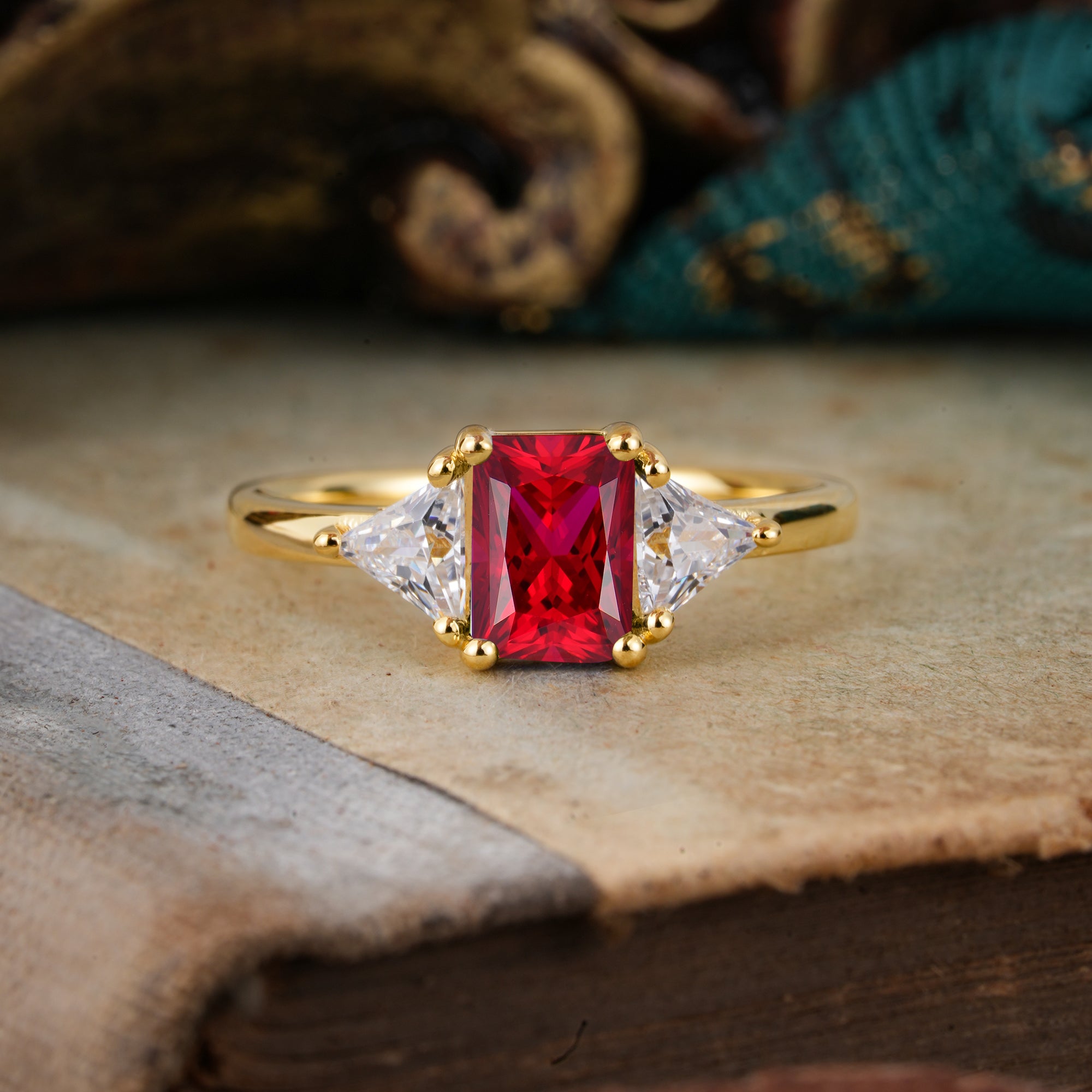
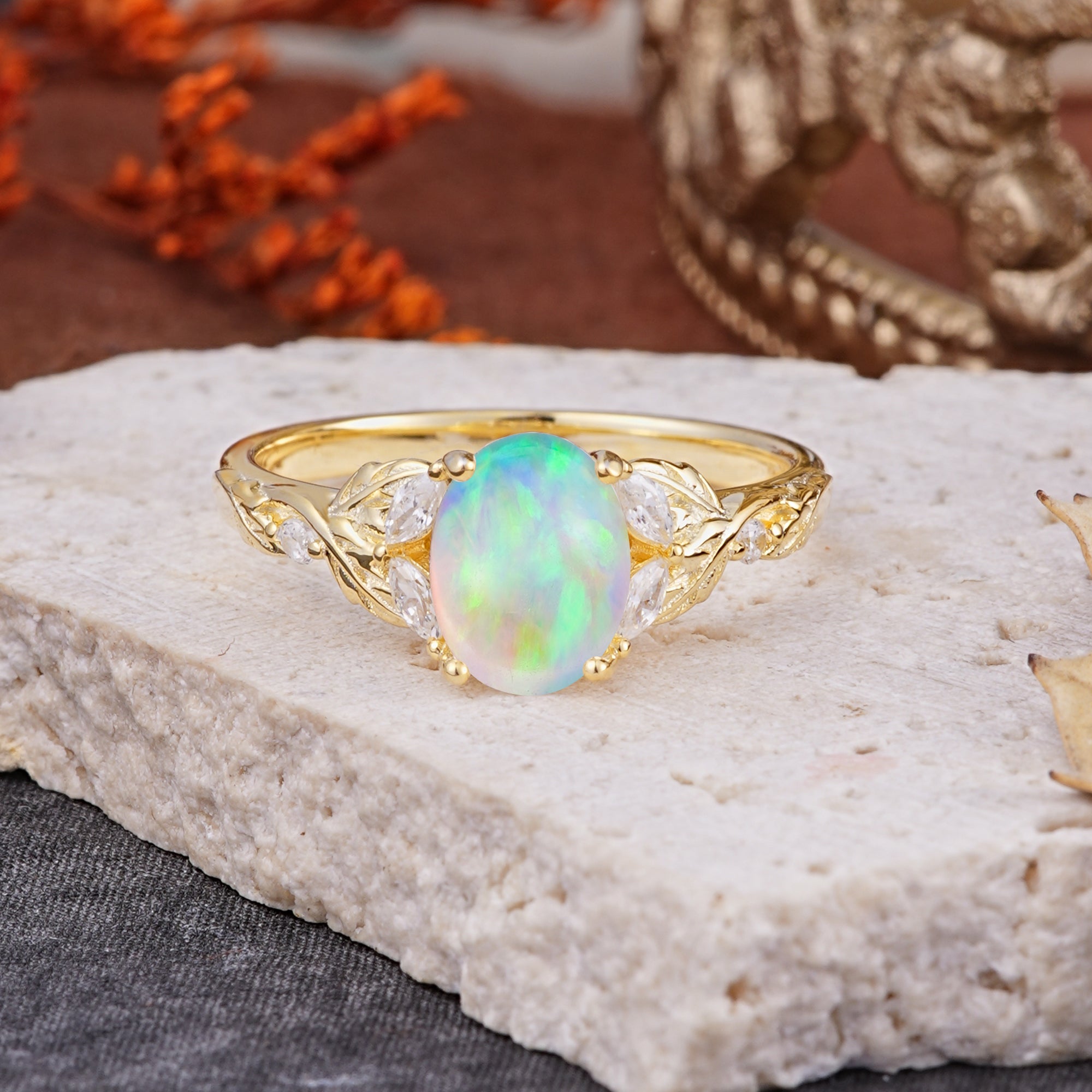
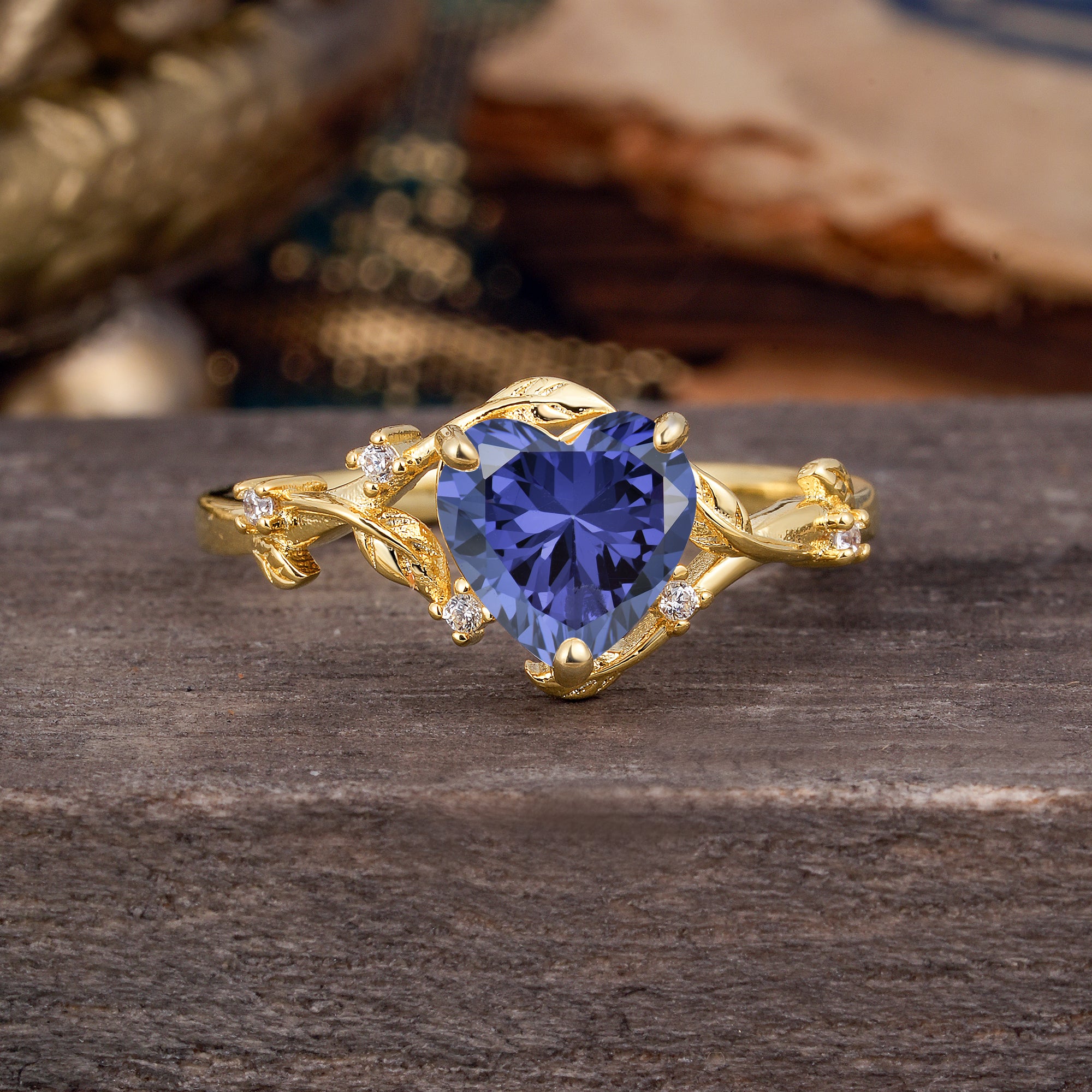
For example, Diamond is the hardest gemstone but can still chip or fracture after a hard blow. Ruby and sapphire as corundum with a Mohs hardness of 9, topaz as 8, and quartz as 7. A lower-impact format may be more appropriate for a gem that is vulnerable to accidental blows. Earrings and necklaces as examples for reducing the risk of impact to stones such as opal and tanzanite.
|
Stone or material direction |
What it can express |
Everyday-wear implication |
Practical design response |
|
Diamond |
Continuity, brightness, or a clean shared accent. |
High scratch resistance does not make it immune to impact damage. |
Protect exposed points with an appropriate setting and inspect prongs periodically. |
|
Ruby or sapphire |
A strong color story, birth-month reference, or distinctive focal point. |
High hardness, but toughness and setting security still matter. |
Consider secure settings and avoid assuming color alone predicts durability. |
|
Topaz or quartz |
A cool, warm, or pastel color associated with a shared memory. |
Mohs hardness is useful context, but routine and setting remain important. |
Match the stone to the format; a pendant may be lower-risk than a frequently knocked ring. |
|
Opal or tanzanite |
Unusual color, light, and a more personal design language. |
GIA identifies these as examples where lower-impact jewelry can reduce accidental blows. |
Prefer earrings, necklaces, or protected/occasional-wear settings when appropriate. |
|
Pearl or organic material |
Softness, family tradition, or a classic visual language. |
Some organic materials are more sensitive to chemicals, heat, light, or abrasion. |
Confirm care instructions and make the piece easy to remove before exposure risks. |
|
Laboratory-created, treated, or simulated material |
A choice based on color, preference, specifications, or budget. |
Care and description depend on the exact material and treatment. |
Ask for accurate identity, treatment information, and written care guidance. |
Personalization that survives time zones and changing routines
Personalization should make the gift more specific, not more difficult to wear. A short message can work on the inside of a ring, the back of a pendant, a small bar, or a charm. Initials may be ideal for a narrow design. A date can be meaningful, but write it in a way that avoids regional confusion. Coordinates can mark a place, though they should be checked carefully and chosen only when the location is genuinely meaningful.
The most important proofreading step is not grammatical elegance. It is exactness. Confirm names, order of initials, punctuation, capitalization, accent marks, symbols, date format, and the number of characters available. Read the final proof slowly. Ask the seller whether the proof represents the final orientation and line breaks.
A long-distance couple can make personalization collaborative. One person can choose the object while the other chooses the private word. They can exchange three possible phrases and select one together. Or they can keep the inscription secret while openly confirming the technical details. There is no rule that says emotional surprise and practical transparency must be packaged together.
Cross-border delivery: plan the gift as an experience
A jewelry gift that arrives after the planned video call or visit can still be meaningful, but preventable logistics can make the moment stressful. Build a delivery plan before approving a custom or engraved order.
First, confirm the exact delivery address, including apartment, building, postal code, local phone number if required, and the recipient's preferred delivery window. A couple may be living temporarily in a dormitory, short-term rental, workplace, or family home. Do not assume that the billing address and delivery address are the same.
Second, ask about production time separately from transit time. A personalized piece may need proof approval before production begins. A shipping estimate usually does not include every stage of custom work. If the gift is connected to a birthday, visit, holiday, or anniversary, leave room for delays rather than planning around the earliest possible arrival.
Third, check duties, taxes, customs documentation, tracking, insurance, signature requirements, and what happens if the carrier cannot deliver. These terms vary by seller and destination. The seller's written policy is more reliable than a general assumption about international shipping.
Fourth, prepare for a fit or personalization issue without treating it as a failure. Before ordering, understand the exchange, resizing, alteration, and return limits. Engraved, custom, or made-to-order items may have different terms. Keep the order record and communicate the issue promptly if a change is needed.

A low-pressure reveal can make the gift more personal
The reveal does not need to imitate a proposal or a formal ceremony. A couple might open the package together on a video call, exchange voice notes before opening it, or wear complementary pieces during the next call. If the piece is personalized, explain the reference briefly. The recipient should not need to guess what they are "supposed" to feel.
For a ring with potentially strong symbolism, include a short note that states the intended meaning without demanding a response. For example: "I chose this as a reminder of the place we keep returning to, not as a test or a timetable." The wording should sound like the actual relationship, not a scripted product description.
A reveal can also happen in person at the next visit. In that case, send the practical details ahead of time if the piece needs to be tried on. It is possible to preserve the emotional moment while allowing the recipient to say that a size, length, weight, or style needs adjustment.
A practical pre-order checklist
Before you place the order, compare the emotional idea with the product facts. The checklist below is deliberately unglamorous. It prevents the most common problems from becoming part of the story.
|
Check before purchase |
Why it matters in a long-distance order |
Evidence to keep |
|
Recipient's existing jewelry |
Reveals preferred metal color, scale, closures, stone colors, and whether rings are actually worn. |
Notes, photos, or a conversation summary. |
|
Exact size and finger |
Prevents an accurate measurement from being applied to the wrong finger or hand. |
Measurement, size system, and date of confirmation. |
|
Band width and profile |
Affects comfort and how the piece sits beside existing rings. |
Product dimensions, side-view image, and seller guidance. |
|
Stone identity and treatment |
Determines how the material should be described and cared for. |
Product page, written seller reply, report where applicable, and care instructions. |
|
Engraving proof |
Prevents spelling, date-format, punctuation, and orientation mistakes. |
Approved proof and final order confirmation. |
|
Delivery plan |
Custom production and transit may follow different timelines. |
Order deadline, tracking, address, and carrier terms. |
|
Returns, exchange, resizing, and alteration |
A remote recipient may need a practical adjustment after trying the piece. |
Written policy saved before approval. |
|
Reveal plan |
Gives the gift a shared moment without forcing a scripted reaction. |
Call time, visit plan, or note wording. |
Final thought
Jewelry cannot make two locations become one. It can, however, hold a small and accurate reminder of what the relationship has built: a place, a date, a color, a phrase, or a decision to keep making room for each other. The most considerate gift is not necessarily the most expensive or the most visibly romantic. It is the piece that the recipient can wear, understand, and make their own.
Choose the meaning first. Let the recipient's existing habits guide the format. Treat sizing as evidence rather than guesswork. Check durability, treatments, materials, care, personalization, delivery, and after-sale terms at the product level. Then create a reveal that feels like the two of you.
When those details are handled carefully, a jewelry gift becomes more than a package sent across a border or a time zone. It becomes a quiet, wearable way to say: I remember what is ours, and I made room for you in the ordinary parts of my day.
FAQs
What are the best jewelry gifts for long-distance couples?
The best gift reflects the recipient's real style and carries one specific shared reference. A pendant is often practical when ring size is unknown. A bracelet can work for someone who already wears a watch or wrist jewelry. A ring is meaningful for a person who wears rings and is comfortable with the intended symbolism. Matching is optional; coordinated pieces often give each person more freedom.
Is a ring too serious for a long-distance relationship?
Not necessarily. The meaning depends on the people giving and receiving it, not on a universal rule. Because rings can carry strong associations, discuss the general idea of wearing a ring and the intended finger when appropriate. If the meaning is still uncertain, choose an inner engraving, a standalone band, or a different jewelry format that does not create unintended pressure.
How can I find my long-distance partner's ring size?
Use a ring that fits the same finger, a physical ring sizer, or a properly scaled measurement guide. Blue Nile's sizing education also recommends repeating measurements and considering temperature, time of day, and band width. Do not rely on an unlabeled number, a ring worn on another finger, or an average size. If uncertainty remains, choose a seller with written exchange or resizing terms or select jewelry that does not require ring sizing.
Are adjustable rings a good choice for long-distance couples?
They can be useful when the recipient likes a flexible fit and the maker designed the ring to be adjusted. They are not risk-free. Confirm the adjustment range, whether repeated bending is allowed, the preferred finger, and how the ring behaves beside other jewelry. An adjustable ring may be less suitable for someone who wants a precise fit or a close, multi-ring stack.
What should I engrave on long-distance relationship jewelry?
Consider a date, initials, a private word, coordinates, a shared ritual, or a short phrase that belongs to both people. Keep the message concise and verify spelling, symbols, date format, character capacity, and proof orientation. The best inscription is specific enough to recall the relationship without needing a public explanation.
Which gemstones are suitable for an everyday long-distance couple ring?
The answer depends on the gemstone, setting, wearing routine, and care plan. GIA recommends considering hardness, toughness, and stability together rather than using Mohs hardness alone. A protected diamond, ruby, or sapphire design may suit frequent wear, but impact and setting security still matter. For gems more vulnerable to accidental blows, a necklace or earrings may be a better everyday format.
Should I choose a natural, laboratory-created, treated, or simulated stone?
Choose the option that fits the recipient's preferences and is accurately described. Ask for the exact stone identity, treatment information, care requirements, and any report or documentation offered for the product. In the United States, FTC guidance distinguishes laboratory-created and imitation materials and emphasizes truthful, non-deceptive descriptions. Requirements can vary by location, so this is not legal advice for every market.
What should I check before shipping jewelry internationally?
Confirm the delivery address, production time, transit estimate, tracking, duties and taxes, customs requirements, insurance, signature rules, and what happens if delivery fails. Also save the seller's return, exchange, resizing, engraving, and alteration terms. Customization can change the available remedies, so review the written terms before approving the order.
Share